- Ananth Residency, Sadashiv Nagar, Belagavi, Karnataka 590019
- Get Location
- +91 8904178867
- 383rohan@gmail.com

 Advanced Orthopaedic, Joint Replacement & Spine Care Center
Joint Replacement – Dr. Pooja
Peri-articular Fracture Management
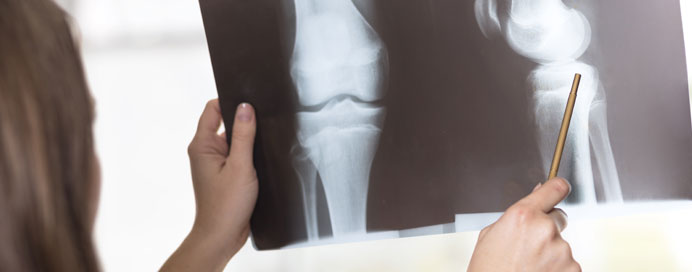
Peri-articular fracture management involves the treatment of fractures occurring near a joint but not directly involving the joint surface. These fractures are complex because they are close to important ligaments, tendons, and joint structures that are essential for stability and movement. Proper alignment and stabilization are critical to maintain joint function and prevent long-term stiffness or deformity. The primary goal of management is to restore normal bone alignment, ensure stable fixation, and allow early rehabilitation for optimal recovery.
Key Principles of Management
- Accurate Fracture Alignment: Proper reduction of the fracture helps maintain joint mechanics and prevents malalignment.
- Stable Fixation: Plates, screws, rods, or external fixators are used to securely stabilize the fracture.
- Preservation of Soft Tissues: Careful handling of surrounding muscles, ligaments, and blood supply promotes better healing.
- Early Controlled Mobilization: Guided joint movement reduces stiffness and improves functional recovery.
- Structured Rehabilitation Program: Physiotherapy is essential to regain strength, flexibility, and joint stability.
Surgical & Non-Surgical Treatment
Stable and minimally displaced peri-articular fractures may be treated conservatively with immobilization using braces or casts, followed by gradual mobilization. Regular monitoring ensures proper healing and alignment.
Displaced or unstable fractures usually require surgical fixation to restore anatomical alignment and maintain joint stability. Advanced techniques and modern implants help achieve strong fixation and better long-term outcomes.