- Ananth Residency, Sadashiv Nagar, Belagavi, Karnataka 590019
- Get Location
- +91 8904178867
- 383rohan@gmail.com

 Advanced Orthopaedic, Joint Replacement & Spine Care Center
Spine Care – Dr. Rohan
Pelvi-Acetabular Fracture Management
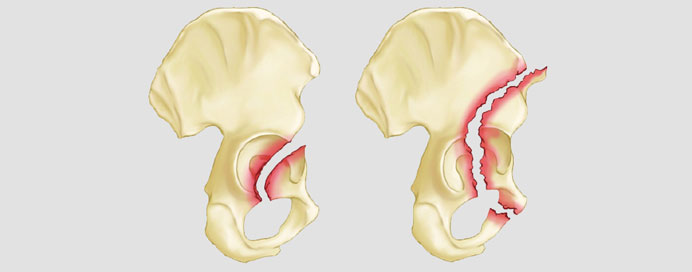
Pelvi-Acetabular Fracture Management involves the specialized treatment of fractures affecting the pelvis and the acetabulum (hip socket). These injuries are usually caused by high-energy trauma such as road traffic accidents or major falls and may be associated with significant blood loss and internal injuries. Proper and timely management is crucial to restore hip joint stability, maintain alignment, and prevent long-term complications such as arthritis or disability. Treatment may be non-surgical or surgical depending on the fracture pattern, displacement, and patient condition.
Key Aspects of Management
- Emergency Stabilization & Trauma Care: Initial management focuses on life-saving measures following trauma protocols. Control of bleeding, fluid resuscitation, and stabilization of vital parameters are priorities, as pelvic fractures can be associated with severe blood loss.
- Detailed Imaging & Classification: Advanced imaging such as X-rays and CT scans helps accurately assess the fracture pattern, displacement, and joint involvement. Proper classification guides surgical planning and treatment decisions.
- Non-Surgical Treatment: Stable and minimally displaced fractures may be managed conservatively with bed rest, pain control, limited weight-bearing, and physiotherapy. Regular follow-up ensures proper healing and alignment.
- Surgical Fixation: Displaced or unstable fractures often require surgical fixation using plates and screws to restore anatomical alignment of the pelvis and hip joint. Accurate reduction is essential to preserve joint function and prevent post-traumatic arthritis.
- Rehabilitation & Functional Recovery: Early physiotherapy and gradual mobilization are key to restoring hip movement, muscle strength, and overall mobility. A structured rehabilitation program significantly improves long-term functional outcomes.